Lead Paint Encapsulation in Union City

Typical cost in Union City

  • About 300 sq ft of trim and walls sealed, one room or the outside trim$1,400 – $4,100+
  • About 1,000 sq ft sealed, several rooms or one outside wall$4,600 – $13,800+
  • One room's walls covered with new drywall, about 350 sq ft$3,200 – $7,750+

Not every lead job removes the paint. Union City Lead Paint Removal sets up lead paint encapsulation in Union City, which coats or covers lead paint and leaves it in place. Only paint that is sound and firmly attached to a stable surface qualifies, and a 1960s or 1970s house with intact coats may offer some.

We arrange encapsulation and short-term interim controls in Union City, with Fremont and Newark next door. A test comes first, because sealing a surface that is not lead-based paint wastes money and sealing one that is failing wastes it twice.

Request a free quote
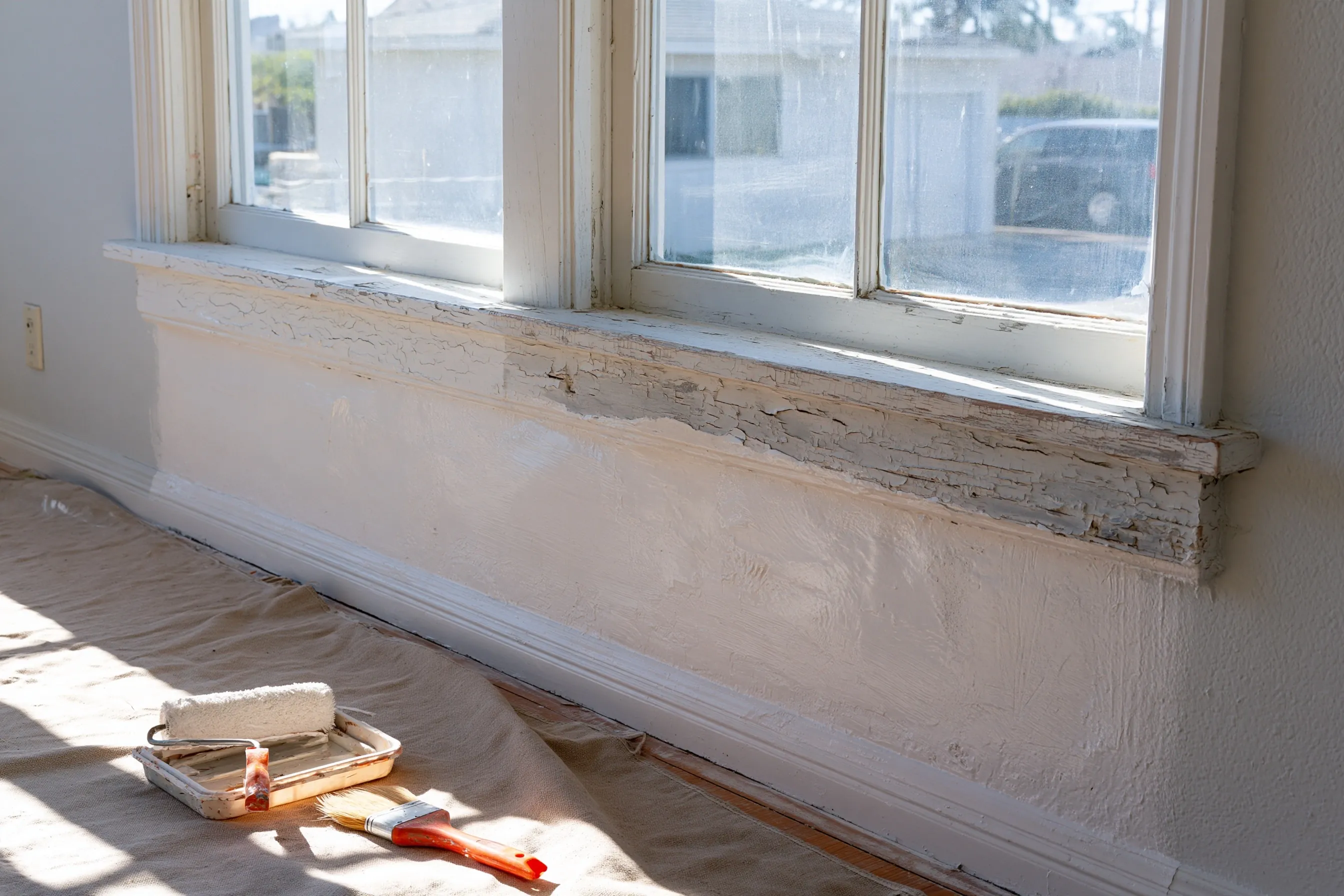
Older painted plaster wall below a cracked painted wood window sill, partly coated with encapsulant paint, tray and brush on a drop cloth

Ways to seal lead paint

Encapsulant coatings

Sound paint on walls and trim that nobody rubs is what an encapsulant suits. The product is a thick, purpose-made coating rather than wall paint: it grips the old paint and locks it down, and the US Department of Labor defines encapsulation as a material that bonds to the surface. Wet or moving surfaces are poor candidates.

Enclosure with new materials

Drywall, paneling or trim fixed over a lead-painted wall encloses it instead of coating it. The old paint stays put behind the new surface, so the enclosure has to be sealed at its edges and the house record should say what is behind it. Drilling or cutting later can reach the old paint.

Interim controls under 20 years

CDPH says a measure designed to last under 20 years needs no certified workers, yet containment, a clean finish and HUD’s interim-control guidance still apply. A measure designed for 20 years or more is abatement, which brings a certified Supervisor or Worker and a written plan.

When removal is the better choice

Doors that rub, windows that slide, stair edges and any surface where the paint is failing or the surface beneath it is moving are poor candidates for sealing, because the coating wears or cracks. Removal or replacement may be the better choice there, and an inspector can say which.

Checking sealed paint over time

Sealed lead paint is managed, not gone. Look at coated areas each year for cracking, peeling, bubbling or wear, and keep the inspection report and a note of what was applied where. A written abatement plan under Title 17 can include re-inspection steps, and any repair of a failed seal should be done under the same lead-safe rules as the first job.

Alameda County and interim controls

Alameda County Healthy Homes describes its funded work as lead hazard repair for qualifying households, and its environmental review for a federal grant says the work is primarily interim controls with some abatement, which we have not been able to open in full. Ask the department whether your home or household can qualify; we do not promise grants.

What affects the cost

Surface area and condition drive the work: preparing a wall, repairing cracks and applying coats take longer than painting. The product, the number of coats and whether an inspection and written plan are needed for a 20-year measure also change the scope.

Paint too far gone to seal? Failing coats cannot be sealed, so exterior lead paint removal covers walls and trim and lead paint window and door work covers frames. The Union City Lead Paint Removal homepage lists all five services together.

Request a free lead paint removal quote

Start with the address and the build year, and name the surfaces you want sealed: walls, trim or a ceiling. Say whether paint is peeling and whether you hold a lead test. We'll get back to you soon with an estimate or any questions we have. Estimates are free and there's no obligation.

Call (510) 370-4182

Call (510) 370-4182