Lead Paint Removal in Union City

Union City Lead Paint Removal plans lead paint testing, removal and lead-safe work for homes built before 1978 in Union City. This is a postwar city, not a Victorian one: census estimates for 2020-2024 count 11,281 of 21,901 homes as built before 1980 (51.5%) and only 2,233 as built before 1960 (10.2%). The largest block, 6,676 homes, went up in the 1970s, a decade that includes 1978 and 1979, after lead paint was banned.

In California two regulators share lead work. CDPH certifies the inspectors and abatement crews under Title 17, while renovation firms are certified by the EPA, because California did not take over that program. Homes finished in 1978 or later sit outside the pre-1978 rules, so with this city’s mix of decades, the build year and a test come first.

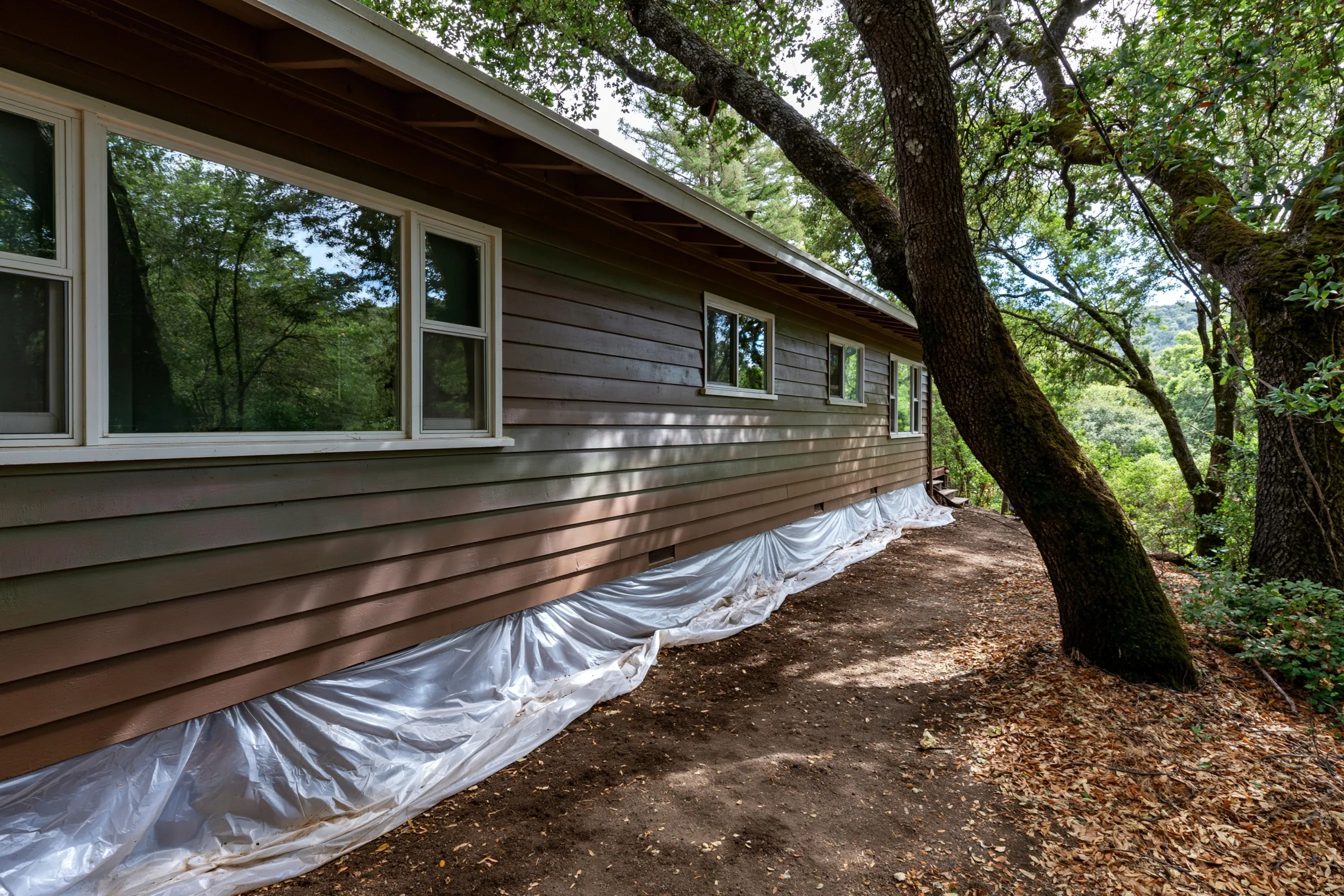
Long ranch house with horizontal wood siding under oak trees, plastic sheeting spread on the ground along the wall
Lead paint inspection and testingExterior lead paint removalLead paint window and door workLead-safe renovation and remodelingLead paint encapsulation

Lead paint services

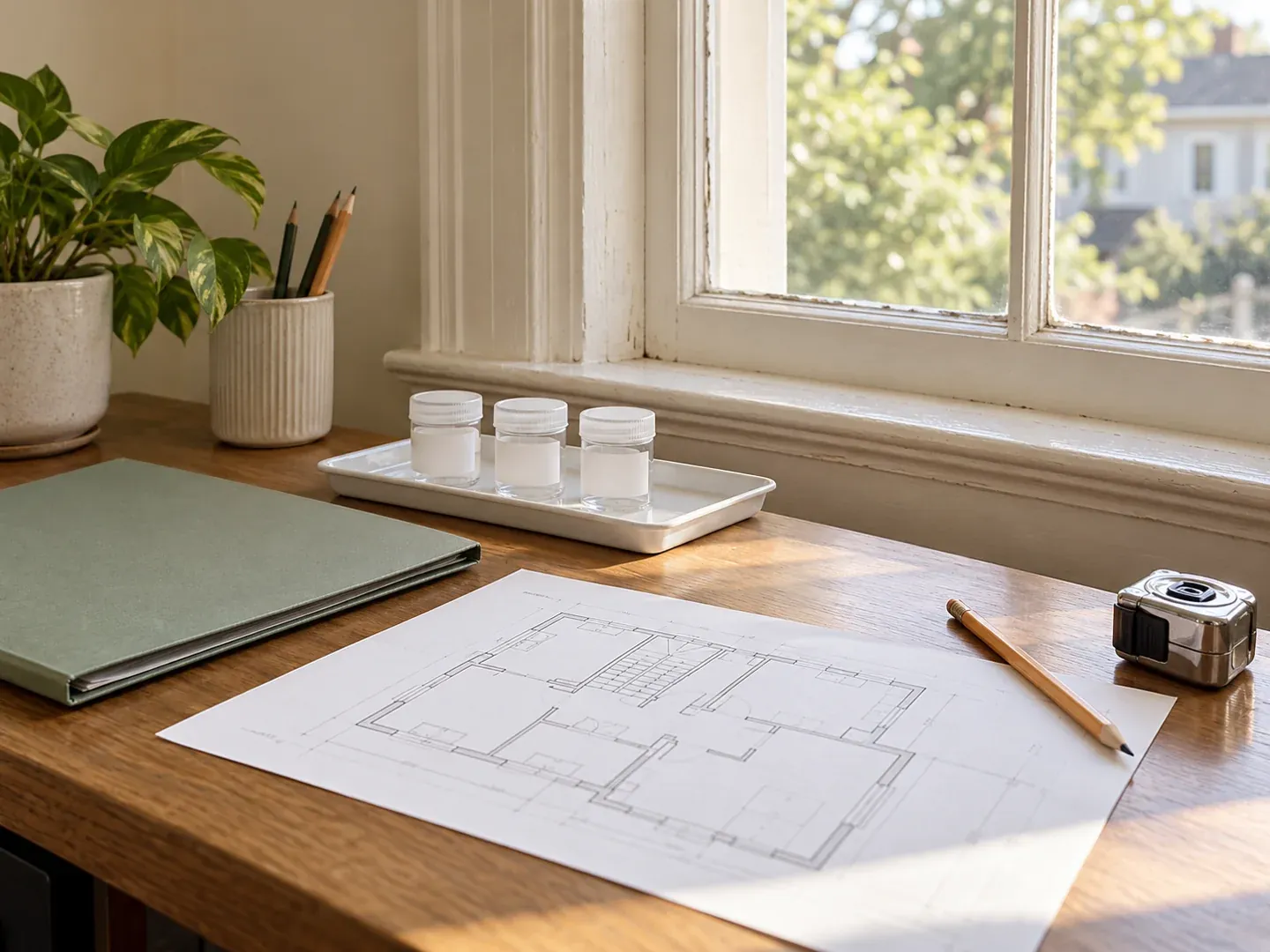
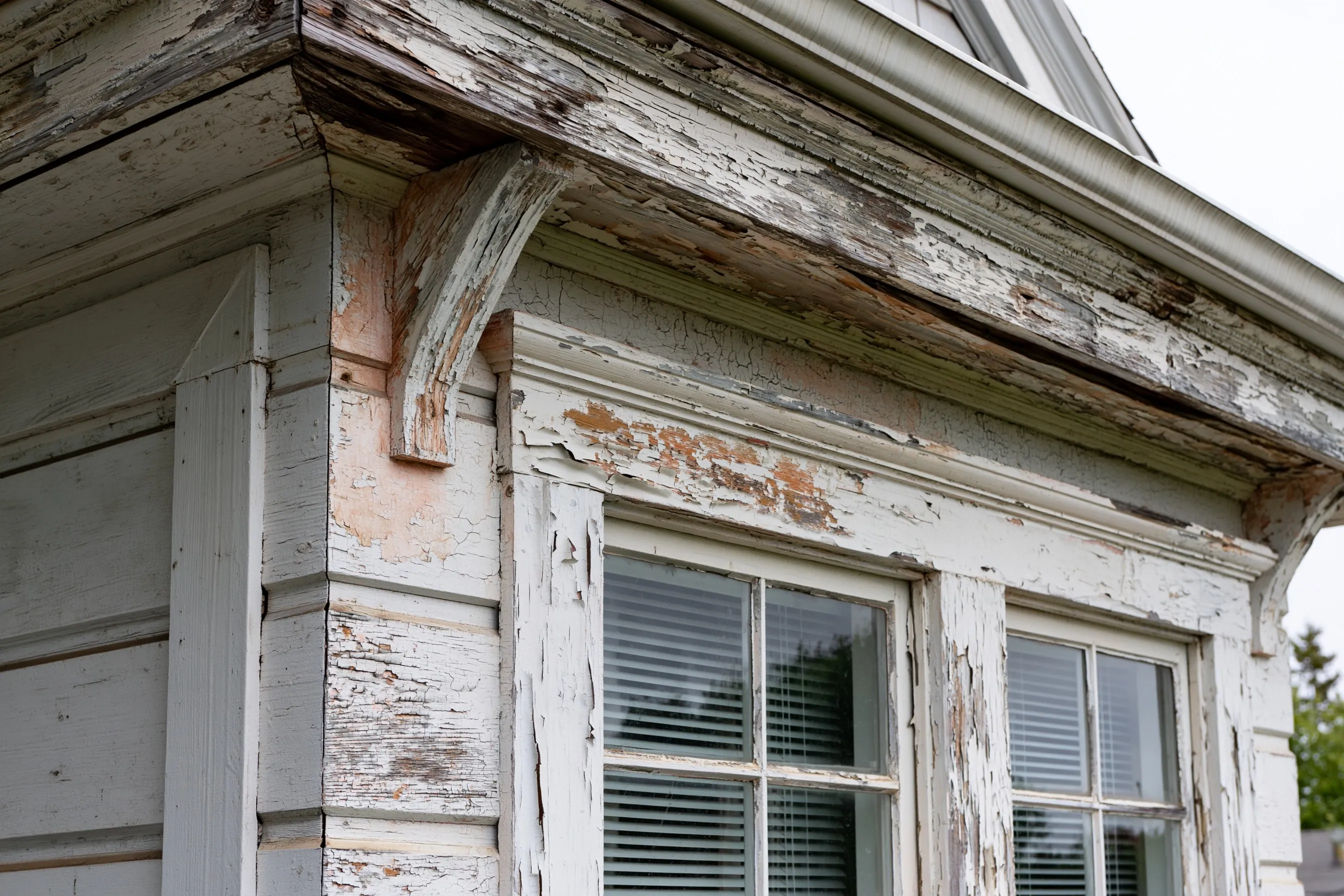
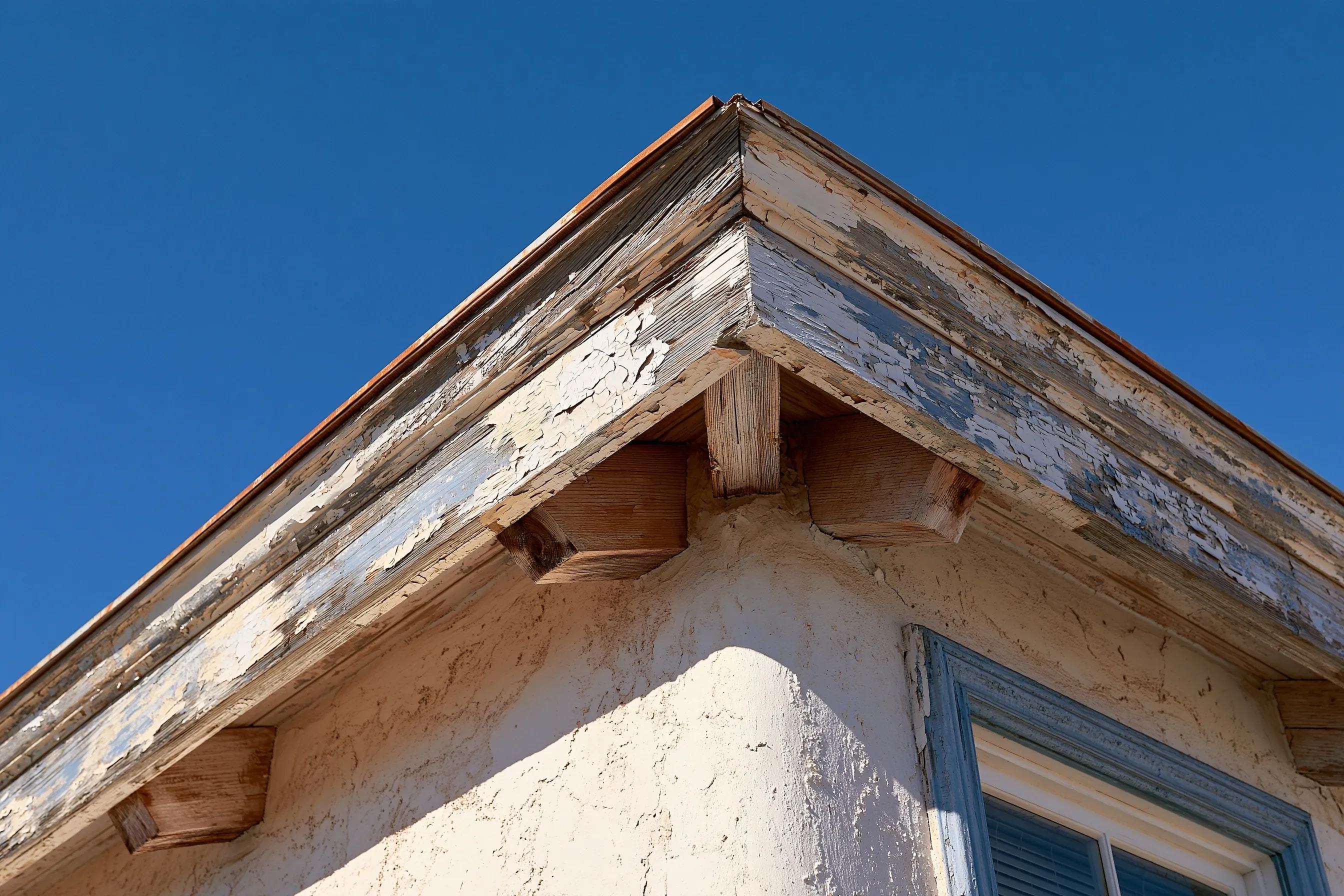
Floor plan, sample containers and a tape measure on a desk beside a painted windowClose-up of an eave, fascia and window trim on an older wood-sided house with layers of white paint peeling and cracking

Lead paint inspection and testing

One 1970s house can have lead paint on its door frames and none on its walls, so results come part by part and not as a single verdict. A CDPH-certified Inspector/Assessor has to do any paid inspection, risk assessment or clearance, and the written report names the doors, windows, trim and outside surfaces that need attention.

Exterior lead paint removal

Stucco walls, wood fascia and eaves, garage doors and trim are the exterior surfaces in play. Sheeting goes down on the ground and the wall is contained before work begins, because Alameda County Healthy Homes says uncontained paint removal violates Title 17. A CDPH notice goes up first when the job is abatement.

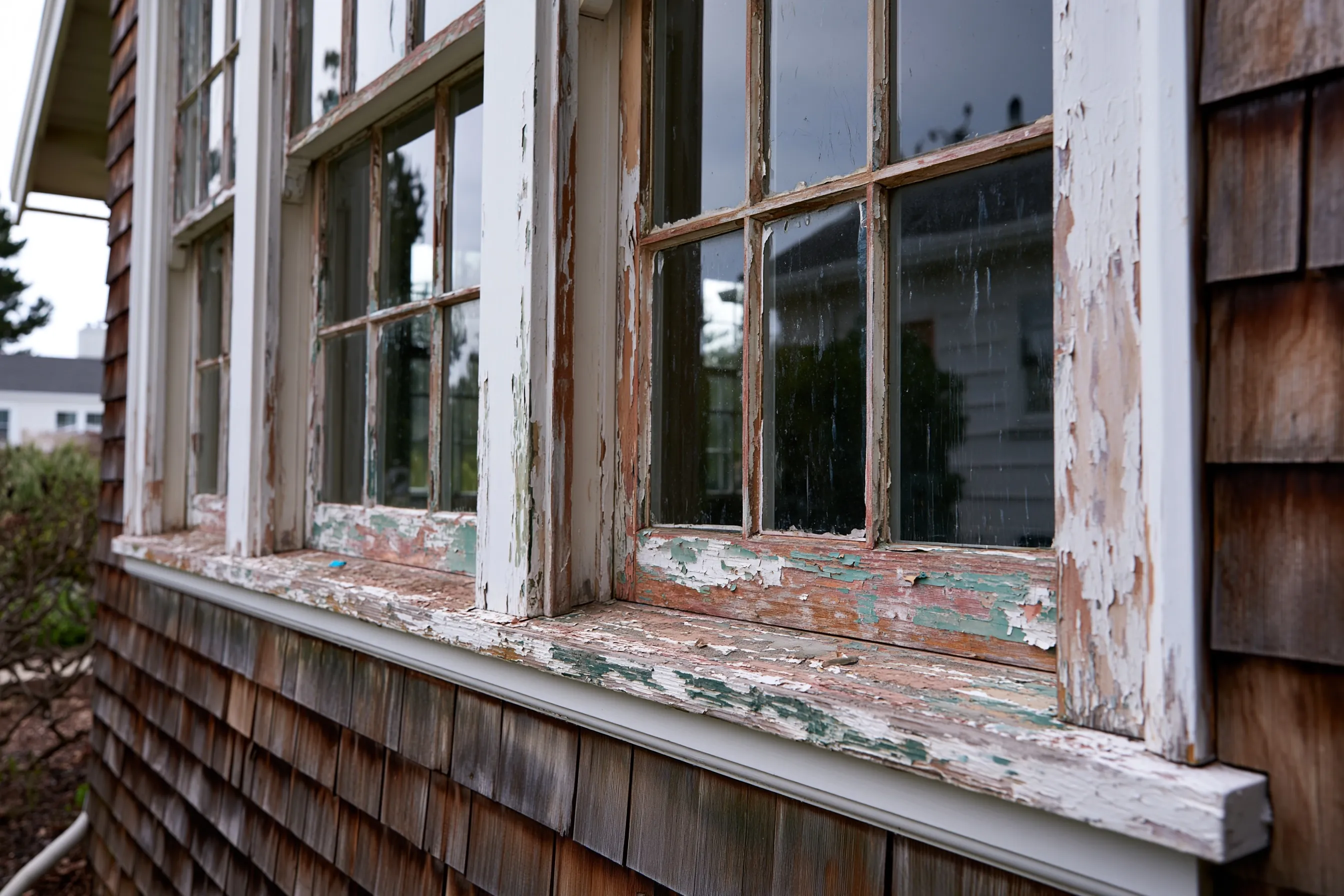
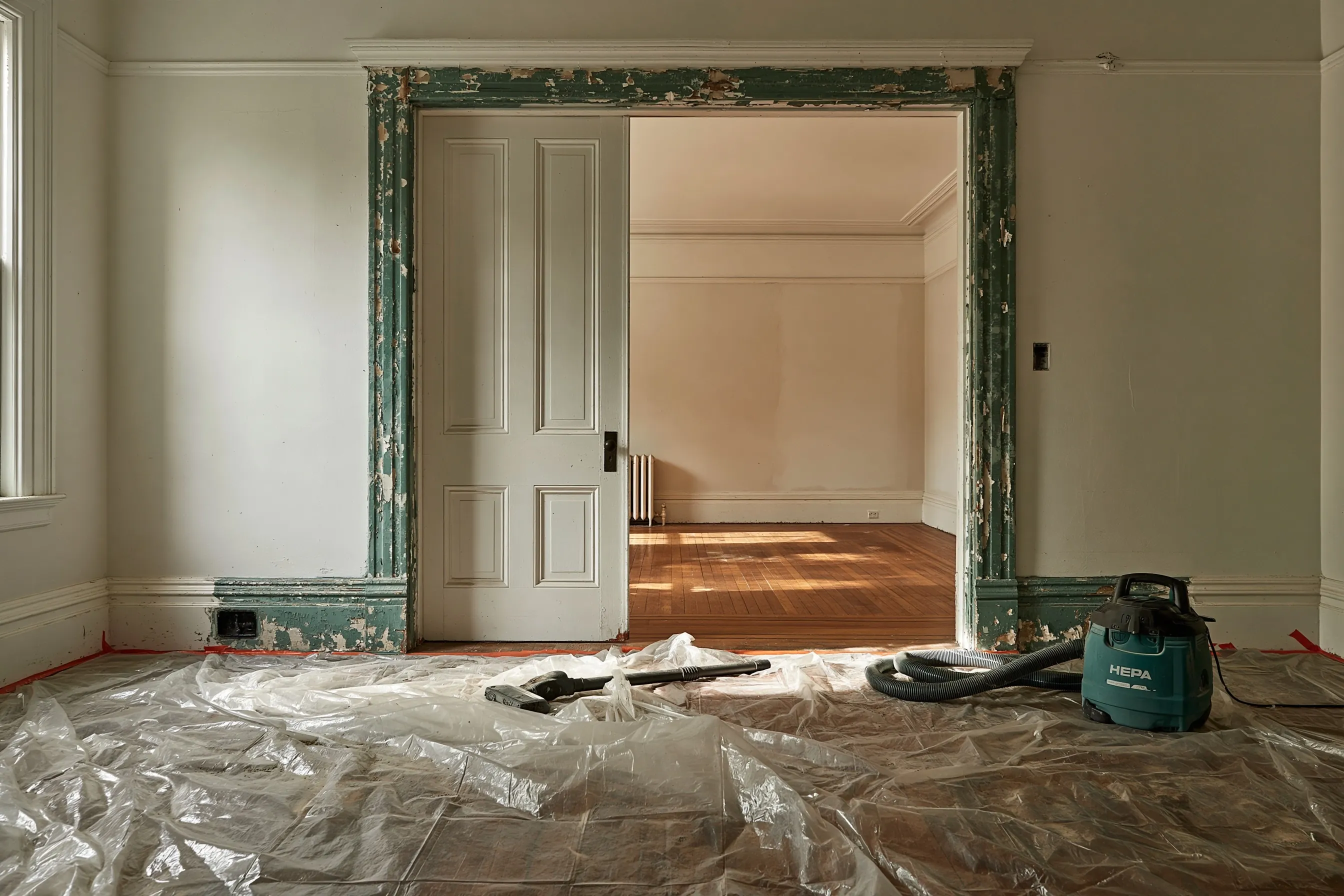
Old divided-light wood windows with flaking paint on the sills and sashes, set in wood shingle sidingInterior door frame and baseboard with layered old paint, room prepared with plastic sheeting

Lead paint window and door work

Window frames and door edges are the moving parts, so their old paint grinds to dust faster than paint on a wall. A window replacement in a pre-1978 home counts as EPA renovation work at any size. Keeping the frame means stripping and repainting it inside containment and wiping the sill clean.

Lead-safe renovation and remodeling

Cutting into old paint during a remodel makes dust even when no one is abating anything. In a pre-1978 home the firm needs EPA certification, a certified renovator leads the crew, the work area is sealed off and a cleaning check closes the job. CDPH is still working on state renovation rules under SB 1076.

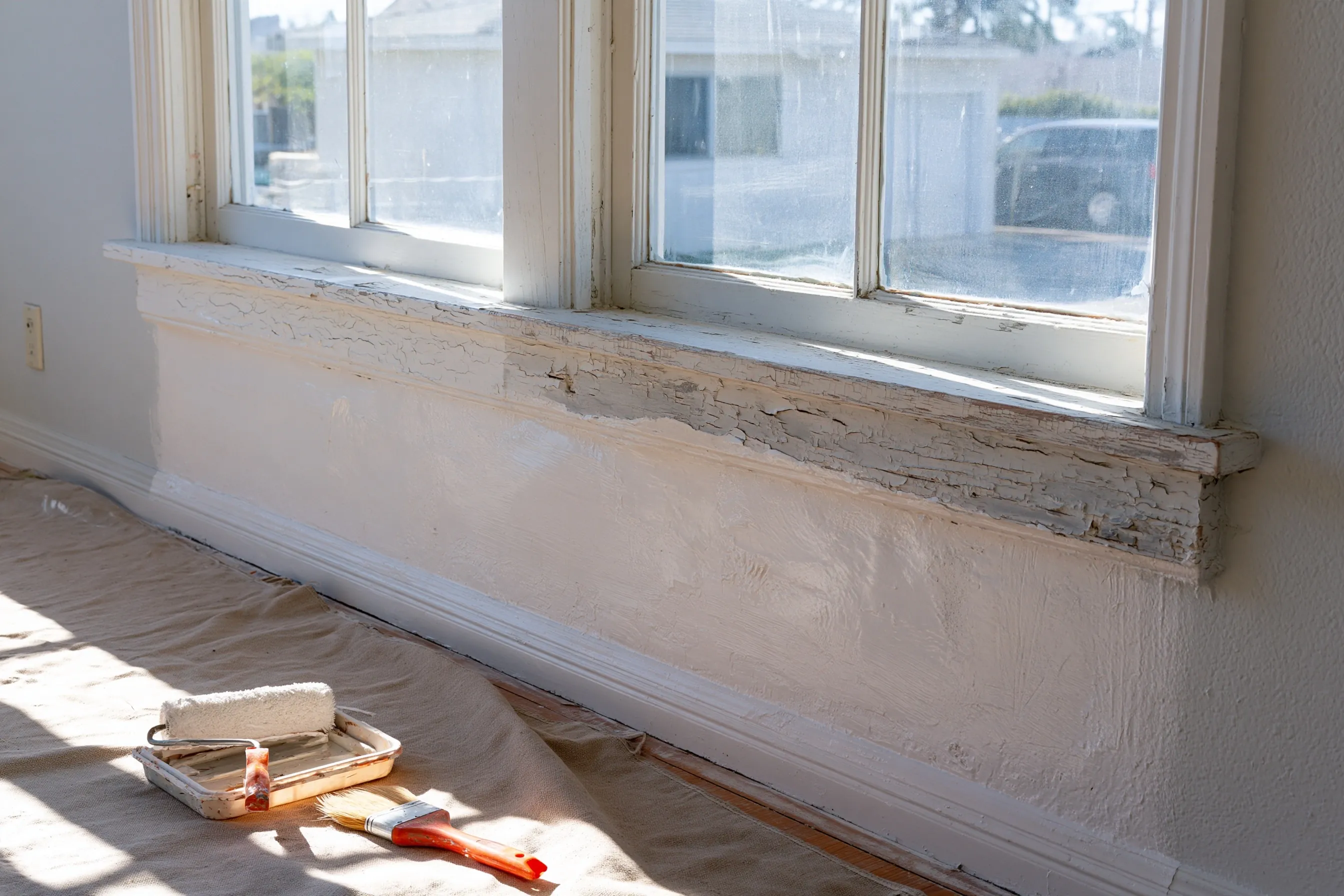
Older painted plaster wall below a cracked painted wood window sill, partly coated with encapsulant paint, tray and brush on a drop cloth

Lead paint encapsulation

A coating or new covering can sometimes replace stripping when the old paint is sound and well bonded, which may fit a 1960s or 1970s house with intact coats. Title 17 sets the dividing line at 20 years: a measure designed to last that long is abatement, a shorter one an interim control.

Lead paint testing and removal costs

Each line is hired labor plus materials and any lab fees for a typical job in Union City, Fremont and Newark, one line per job size. A small, easy job sits near the low end. The open top end is for more painted parts, high or detailed work, rotten wood found under the paint, or a failed clearance test that means cleaning again.

Lead paint inspection and testing

  • Test of the rooms or parts a project will touch$300 – $700+
  • Whole house up to 2,500 sq ft$350 – $975+
  • Large house over 2,500 sq ft$575 – $1,250+
  • Risk assessment with dust and soil samples, one house$700 – $2,000+
  • Clearance test after lead work$250 – $700+
What is included

Readings or paint chips from each type of painted surface, or dust and soil samples for a risk assessment, and a written report of what tests positive and what does not. Rush reports and extra lab samples cost more.

Get a free quoteSee an example project

Exterior lead paint removal

  • Eaves and fascia on one side, about 100 sq ft$950 – $2,350+
  • Porch and railings, about 150 sq ft$1,600 – $4,500+
  • One-story house, peeling trim, eaves and siding or stucco$5,750 – $16,250+
  • Two-story house$11,500 – $34,500+
What is included

Plastic on the ground and around the wall, loose paint misted and scraped or stripped from eaves, fascia, trim, siding and stucco, waste bagged, primer and paint on the bare wood, and a check for chips and dust at the end. Rotten wood, stucco repair and scaffolding cost extra.

Get a free quoteSee an example project

Lead paint window and door removal

  • One window replaced$475 – $1,425+
  • About 4 windows replaced$1,650 – $4,900+
  • About 10 windows replaced$4,800 – $14,400+
  • One or two old windows or doors stripped and restored, originals kept$700 – $2,050+
What is included

Old windows or doors taken out with plastic inside and out and new units fitted, or the originals stripped, repaired and repainted, then cleanup and a check of the sills. Custom sizes and period doors cost more.

Get a free quoteSee an example project

Lead-safe renovation and remodeling (add-on)

  • Small repair, one room$500 – $1,250+
  • Kitchen or bathroom remodel$1,550 – $4,500+
  • Several rooms or a whole floor$3,800 – $10,750+
What is included

What lead-safe work adds to a remodel, repair or repaint in a pre-1978 home: rooms sealed with plastic, old paint misted before it is disturbed, HEPA vacuuming, cleaning each day and at the end, a cleaning check and waste bagged. The project itself is priced separately.

Get a free quoteSee an example project

Lead paint encapsulation

  • About 300 sq ft of trim and walls sealed, one room or the outside trim$1,400 – $4,100+
  • About 1,000 sq ft sealed, several rooms or one outside wall$4,600 – $13,800+
  • One room's walls covered with new drywall, about 350 sq ft$3,200 – $7,750+
What is included

Loose paint misted and scraped, then a coating made to seal lead paint over sound walls and trim, or new drywall over the walls. Work meant to last 20 years or more adds a written plan and a clearance test.

Get a free quoteSee an example project

Ranges are 2026 estimates, not quotes. Call today for a free, personalized quote.

Our process

01

Check the build year

The federal line is 1978, the year a ban on selling lead-based paint for homes took effect. A house finished that year or later is outside the disclosure and renovation rules. For a 1970s house the exact year matters more than the decade, so check the permit record or the sale papers before assuming either way.

02

Get a CDPH-certified inspection

A renovation does not require testing, because the EPA rule treats untested pre-1978 paint as lead. We still suggest it: a negative result on a component can take that part out of the lead-safe scope. Whoever inspects cannot be the party that abates the same house.

03

Choose removal, sealing or lead-safe renovation

What the results say decides the job. Abatement removes or seals lead for 20 years or more. An interim control only holds it back for a shorter time. Lead-safe renovation leaves the lead in place and protects everyone while a remodel or repaint goes ahead.

04

Notice, containment and clearance

Timing is written into the rules for abatement: CDPH Form 8551 must be with the state and posted at the work area entrances five days or more before work begins. Containment stays up throughout, nothing visible may be left behind, and a clearance inspection closes permanent abatement.

Housing in Union City

The Census numbers show a postwar city. Of 21,901 homes, 6,676 date to the 1970s and 2,372 to the 1960s, while 2,233 were built before 1960, including 871 before 1950. About 70% are single-family houses and 35% of occupied homes are rented.

The oldest part of the stock is the exception: a house there may carry far more layers of paint than a 1972 tract home, and a house from the 1970s may have little or none. Testing settles it.

Alameda County lead resources

Union City is served by the Alameda County Healthy Homes Department, whose pages explain how to hire a lead-safe contractor and how to test, and list local consultants. The department also runs a lead hazard repair funding program, but its funding page describes grants for pre-1960 properties with income and household conditions, and its other pages describe different age limits. With 10.2% of Union City homes built before 1960, fewer homes may qualify by age, so call the department to ask rather than assume. We do not promise or arrange grants.

The department’s lead program number is (510) 567-8280.

Union City and nearby cities

Union City Lead Paint Removal reaches Union City, California, and two neighbors with pages of their own, Fremont and Newark. Fremont has 52.8% of its homes built before 1980, Newark 58.6%.

Frequently asked questions

Does house insurance cover lead paint removal?

That depends on the policy, and we cannot say what yours covers. Ask your insurer in writing before work starts. Alameda County Healthy Homes also suggests checking that a contractor carries insurance, including lead liability coverage.

How do I dispose of old lead paint?

Alameda County Healthy Homes says lead paint debris has to be disposed of as hazardous waste, so paint chips and scrapings do not belong in household trash. Ask the county’s household hazardous waste program what it accepts and in what quantities. On an abatement job, waste handling is part of the contractor’s plan.

What does lead testing involve?

A CDPH-certified Inspector/Assessor tests the painted parts of the house, such as doors, windows, trim and exterior surfaces, and writes a report that says which ones are lead-based paint. A risk assessment adds checks for deteriorated paint, dust and soil. Homeowners may collect their own samples for a lab, but that does not give you a certified report.

Do I need a professional to remove lead paint?

For paid work, yes: a contractor removing lead paint from a home must follow Title 17, and abatement needs a certified Supervisor or Worker. An owner working on their own home is not bound by the paid-work certification rules, but unsafe removal can still spread lead dust through the house, so ask a certified inspector before you scrape or sand.

Is my 1970s house likely to have lead paint?

It can. Federal rules treat paint in a house built before 1978 as possibly lead-based, and the Union City figures show 6,676 homes from the 1970s. A house finished in 1978 or later is outside the rule. Because the decade is mixed, a component test tells you more than the year alone.

Request a free lead paint removal quote

Your address and the year the house was built open the request. A note on what you plan, such as repainting, remodeling, selling or re-renting, on whether young children live there, and on any earlier lead report completes it. We'll get back to you soon with an estimate or any questions we have. Estimates are free and there's no obligation.

Call (510) 370-4182

Call (510) 370-4182